

Shear Connectors
Overview
Shear Connectors are essential structural components used to transfer shear forces between concrete slabs and steel beams, ensuring composite action in multi-story buildings, industrial sheds, and PEB structures. They play a critical role in enhancing the strength, stability, and load-carrying capacity of steel-concrete composite floors.
At BSSM Infra, we supply high-quality shear connectors that meet international standards, offering durability, high tensile strength, and precise performance for a wide range of construction projects.
What are Shear Connectors?
Shear connectors, commonly known as stud connectors or headed studs, are welded onto steel beams and embedded in concrete slabs. They create a mechanical interlock between steel and concrete, enabling the two materials to act as a single composite unit.
This composite action increases the overall structural stiffness, load-bearing capacity, and resistance to bending and shear forces, making shear connectors a vital component in modern steel-concrete construction.

- Plot No.100, TIF MSME green Industrial Park, Dandumalkapur, Choutuppal, Yadadri Bhuvanagiri District.
- +91 98480 80349
- +91 93926 51133
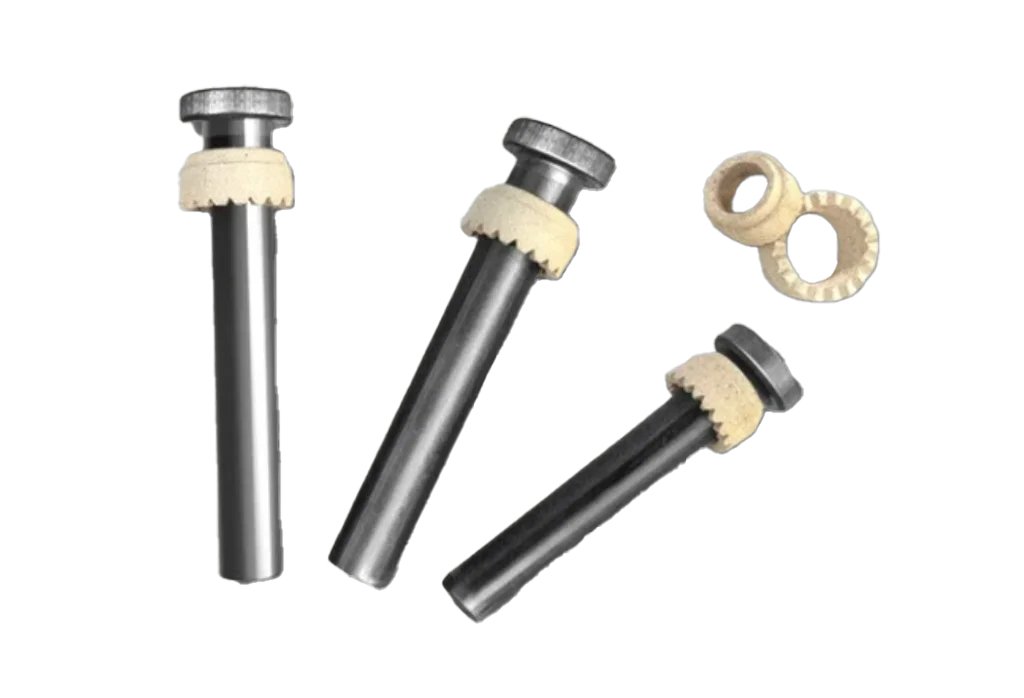
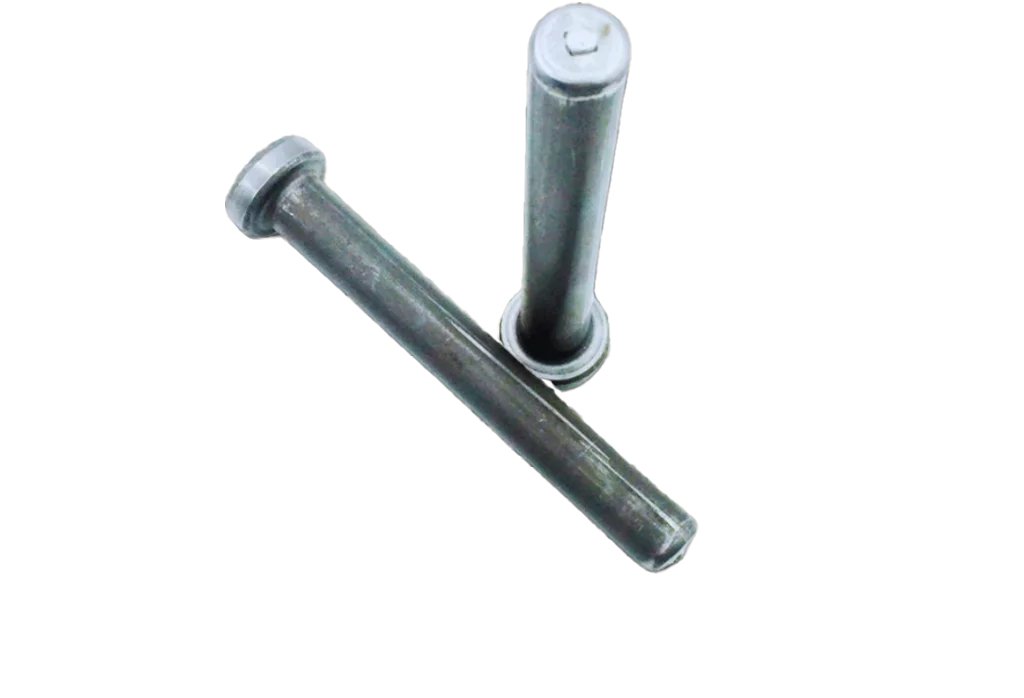
Key Features
- High Strength & Durability – Made from high-grade steel to withstand heavy loads.
- Precise Welding & Fabrication – Ensures consistent performance and structural safety.
- Corrosion Resistant – Galvanized or coated options available for long-term durability.
- Efficient Load Transfer – Provides effective composite action between steel and concrete.
- Wide Application Range – Suitable for multi-story buildings, industrial structures, and bridges.
- Cost-Effective Solution – Enhances structural efficiency, reducing material requirements.
- Standardized Quality – Manufactured as per IS / BS / ASTM standards.
- Quick Installation – Can be easily welded to steel beams during fabrication.
Technical Specification
| Parameter | Specification |
|---|---|
| Material | High-Strength Carbon Steel / Stainless Steel |
| Diameter | 16 mm – 25 mm (custom options available) |
| Length | 75 mm – 150 mm (customizable as per beam and slab thickness) |
| Head Type | Welded Stud / Headed Stud |
| Finish | Plain / Zinc Coated / Hot Dip Galvanized |
| Tensile Strength | 400 – 600 MPa |
| Shear Strength | As per IS 11384 / Eurocode 4 |
| Application | Steel Beams with Composite Concrete Slabs |
| Compliance | IS 11384 / BS 5950 / ASTM A108 |
Advantages
- Enhanced Structural Strength – Enables steel and concrete to work together as a composite unit.
- Improved Load-Bearing Capacity – Reduces deflection and increases slab stiffness.
- Durable & Reliable – Resistant to fatigue and long-term loads.
- Cost-Effective Construction – Optimizes steel and concrete usage.
- Versatile & Customizable – Suitable for various beam sizes and slab thicknesses.
- Compliance with Standards – Ensures safety and structural integrity.
- Fast Installation – Saves time during fabrication and erection.
- Steel-Concrete Composite Floors in Multi-Story Buildings
- Industrial Sheds & Warehouses
- Pre-Engineered Buildings (PEB)
- Bridges and Flyovers
- Parking Decks & Mezzanine Floors
- Factories and Heavy Load Industrial Structures
- Elevated Concrete Slabs
At BSSM Infra, our shear connectors undergo stringent testing and quality checks to ensure:
- Accurate dimensions and weld quality
- High tensile and shear strength
- Consistent mechanical performance under load
- Corrosion resistance and durability
- Compliance with international standards and industrial codes
Why Choose Us
- Premium Quality Steel: High-grade steel for maximum structural reliability.
- Customized Options: Diameter, length, and finish tailored to project needs.
- Reliable Performance: Designed to provide consistent composite action.
- Quick Supply & Installation: Reduces project timelines and labor costs.
- Trusted by Industry: Used in large-scale PEB projects, industrial floors, and commercial buildings nationwide.
Shear connectors are steel components welded to steel beams to create a strong bond between the steel section and the concrete slab. They help in transferring shear forces and ensuring composite action between steel and concrete.
They improve the load-bearing capacity, stiffness, and overall stability of composite structures, reducing deflection and enhancing durability.
They are widely used in composite beams, bridges, floor decks, and other steel–concrete composite structures.
Shear connectors are typically made from high-strength steel that meets the required welding and structural standards.
They are generally welded onto steel beams using automatic or semi-automatic stud welding machines before concrete is poured.
Yes. Depending on the project design, size, and load requirements, shear connectors can be manufactured in various diameters, lengths, and shapes.
Common types include headed stud connectors, channel connectors, and perfobond rib connectors, each suited for specific applications.
Once embedded in concrete, they require minimal to no maintenance as they are protected from corrosion and external wear.
They ensure composite action between steel and concrete, allowing both materials to share loads efficiently and reducing overall material usage.
Yes. They undergo rigorous mechanical and weld testing to ensure compliance with relevant standards and reliable performance on-site.