Pre-Engineered Buildings vs. Traditional Structures– BSSM Infra Pvt Ltd
The construction industry is rapidly evolving, and one of the most discussed comparisons today is Pre-Engineered Buildings vs. Traditional Structures. This topic is gaining attention due to cost efficiency, speed of construction, and durability factors. Businesses, industries, and infrastructure developers are increasingly evaluating Pre-Engineered Buildings vs. Traditional Structures to choose the most suitable building method for long-term investment and operational efficiency.
Understanding Pre-Engineered Buildings vs. Traditional Structures is essential for making informed decisions in commercial, industrial, and even institutional construction projects.
What Are Pre-Engineered Buildings?
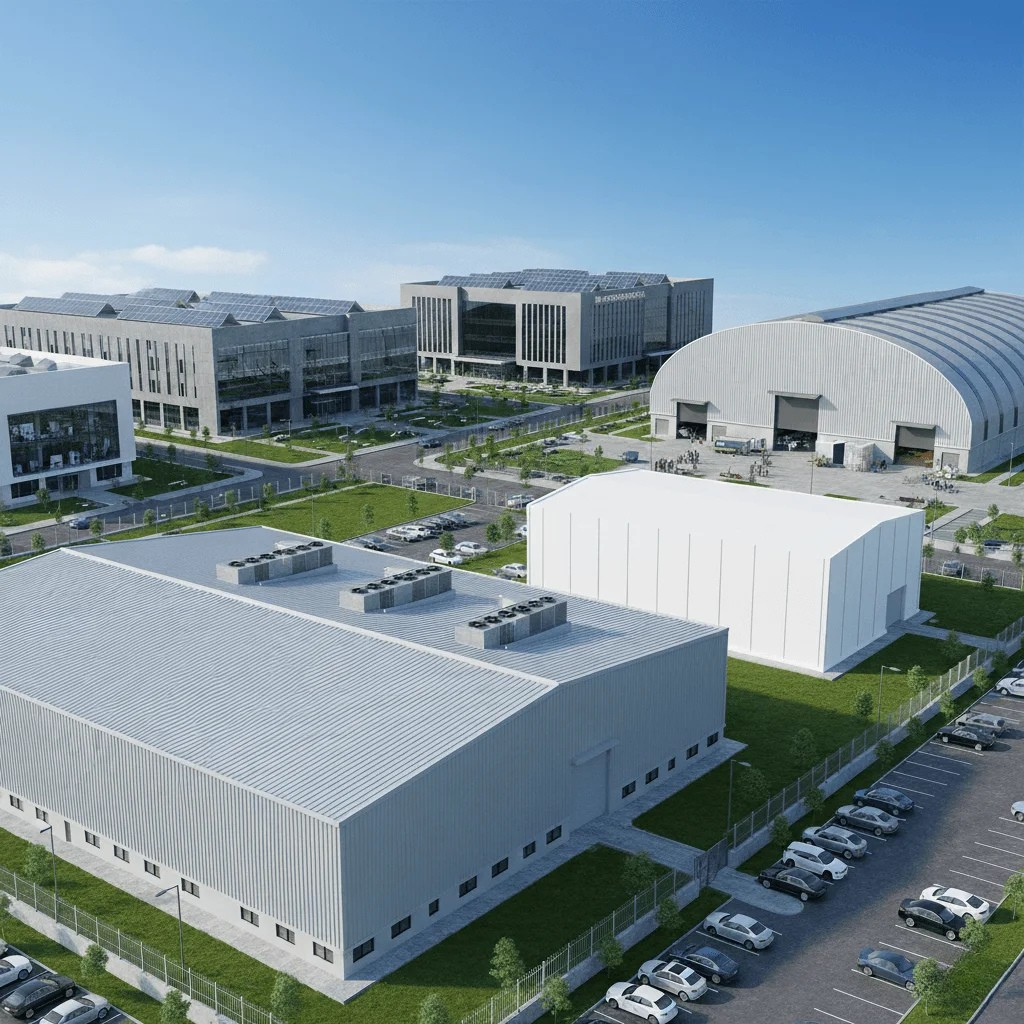
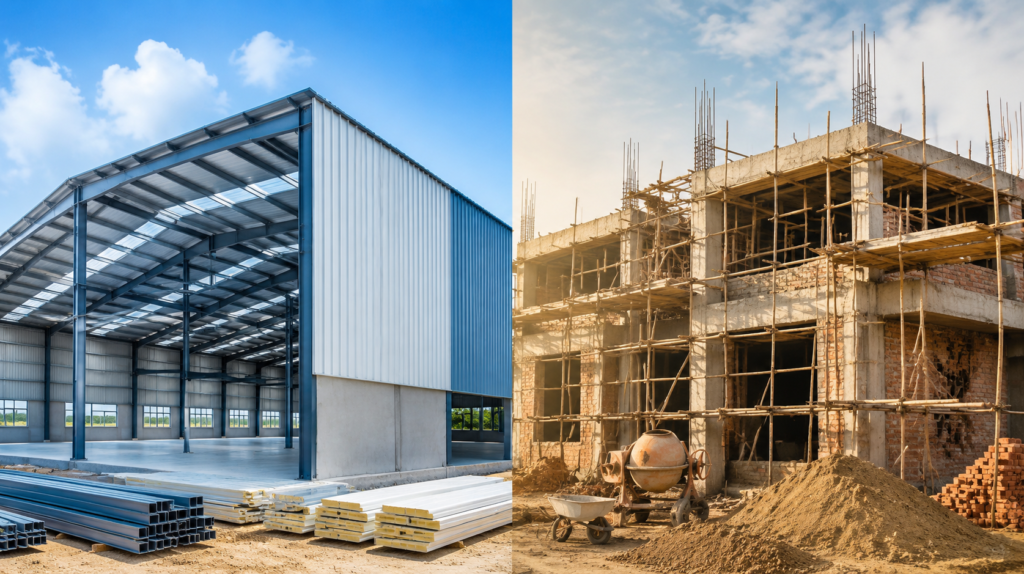
Pre-Engineered Buildings (PEB) are factory-made structures that are designed, fabricated, and assembled at the construction site. These buildings are engineered using advanced software and precision manufacturing techniques, ensuring faster installation and reduced material wastage.
When analyzing Pre-Engineered Buildings vs. Traditional Structures, PEB systems stand out for their speed of construction, lightweight design, and cost optimization.
What Are Traditional Structures?
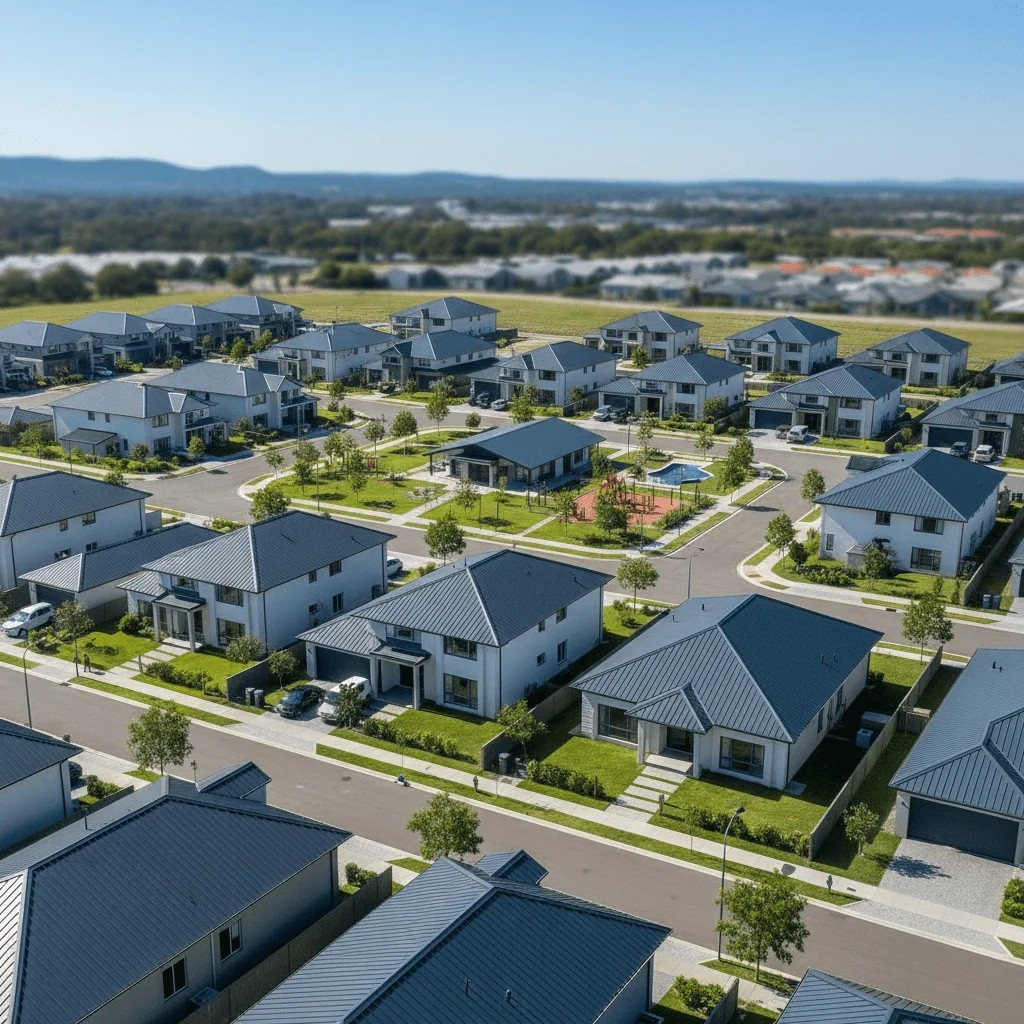
Traditional structures are built using conventional construction methods such as on-site concrete casting, brick masonry, steel fabrication, and manual labor-intensive processes. These structures are known for their flexibility in design and long-established construction practices.
In the comparison of Pre-Engineered Buildings vs. Traditional Structures, traditional methods are often preferred for architectural customization but usually require more time and higher labor involvement.
Key Differences in Cost and Time Efficiency
One of the biggest advantages highlighted in Pre-Engineered Buildings vs. Traditional Structures is cost and time efficiency. PEBs significantly reduce construction timelines because most components are pre-manufactured in controlled factory environments.
In contrast, traditional construction takes longer due to on-site fabrication, curing time, and weather dependencies. When evaluating Pre-Engineered Buildings vs. Traditional Structures, businesses often find that PEBs can reduce overall project time by up to 40–60%, resulting in faster ROI.
Structural Strength and Durability
Durability is a major factor in Pre-Engineered Buildings vs. Traditional Structures. Pre-engineered buildings are designed using high-strength steel and advanced engineering calculations, ensuring resistance to wind loads, seismic activity, and harsh environmental conditions.
Traditional structures, while strong and time-tested, depend heavily on material quality and workmanship. In many modern engineering discussions, Pre-Engineered Buildings vs. Traditional Structures highlights how PEB systems provide consistent quality due to factory-controlled manufacturing.
Design Flexibility and Expansion
Design flexibility is another important comparison point in Pre-Engineered Buildings vs. Traditional Structures. Traditional structures offer more architectural freedom in terms of complex designs, aesthetics, and custom layouts.
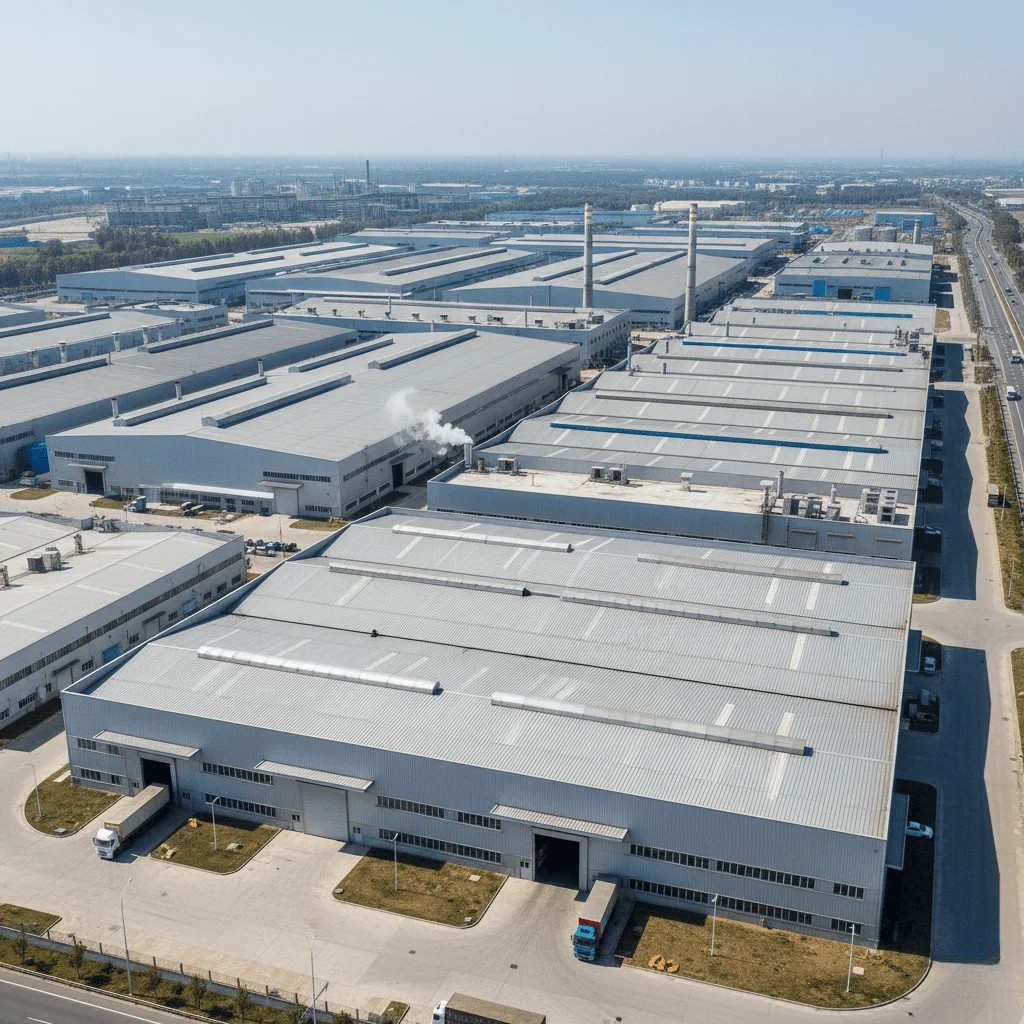
However, pre-engineered buildings are not limited anymore; modern PEB technology allows scalable and modular expansion. In fact, Pre-Engineered Buildings vs. Traditional Structures shows that PEBs are ideal for warehouses, factories, logistics hubs, and commercial buildings where expansion is expected.
Maintenance and Lifecycle Costs
Maintenance plays a crucial role in long-term investment decisions. In Pre-Engineered Buildings vs. Traditional Structures, PEBs generally require lower maintenance due to corrosion-resistant coatings and engineered precision.
Traditional structures may need frequent repairs such as plastering, repainting, and structural reinforcement over time. This is why many industries prefer Pre-Engineered Buildings vs. Traditional Structures when focusing on lifecycle cost savings.
Environmental Impact and Sustainability
Sustainability is becoming a key factor in modern construction. In Pre-Engineered Buildings vs. Traditional Structures, PEBs are considered more eco-friendly due to reduced material waste and efficient energy usage during manufacturing.
Traditional construction generates more on-site waste and consumes more resources. Therefore, Pre-Engineered Buildings vs. Traditional Structures increasingly favors pre-engineered solutions in green building initiatives.
Applications in Modern Industries
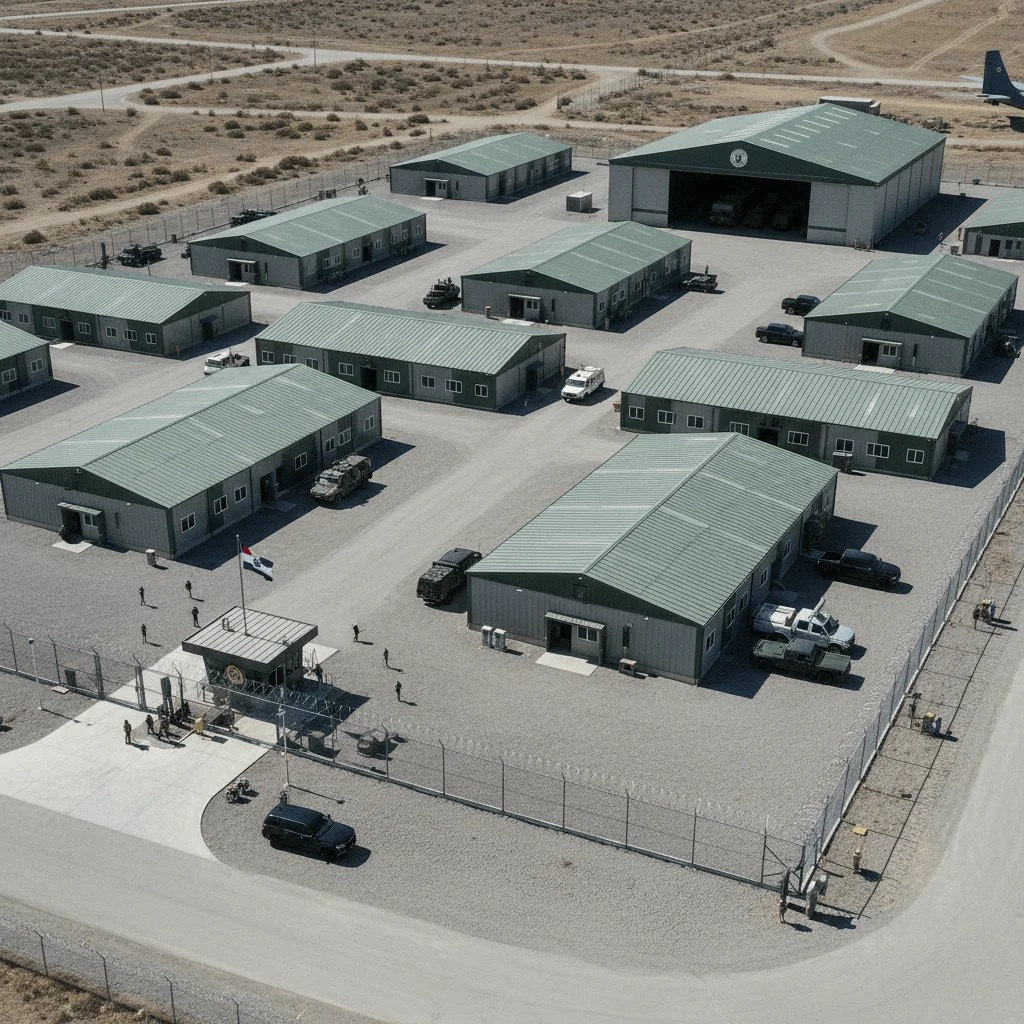
Industries such as manufacturing, warehousing, logistics, aviation, and retail extensively evaluate Pre-Engineered Buildings vs. Traditional Structures before selecting construction methods.
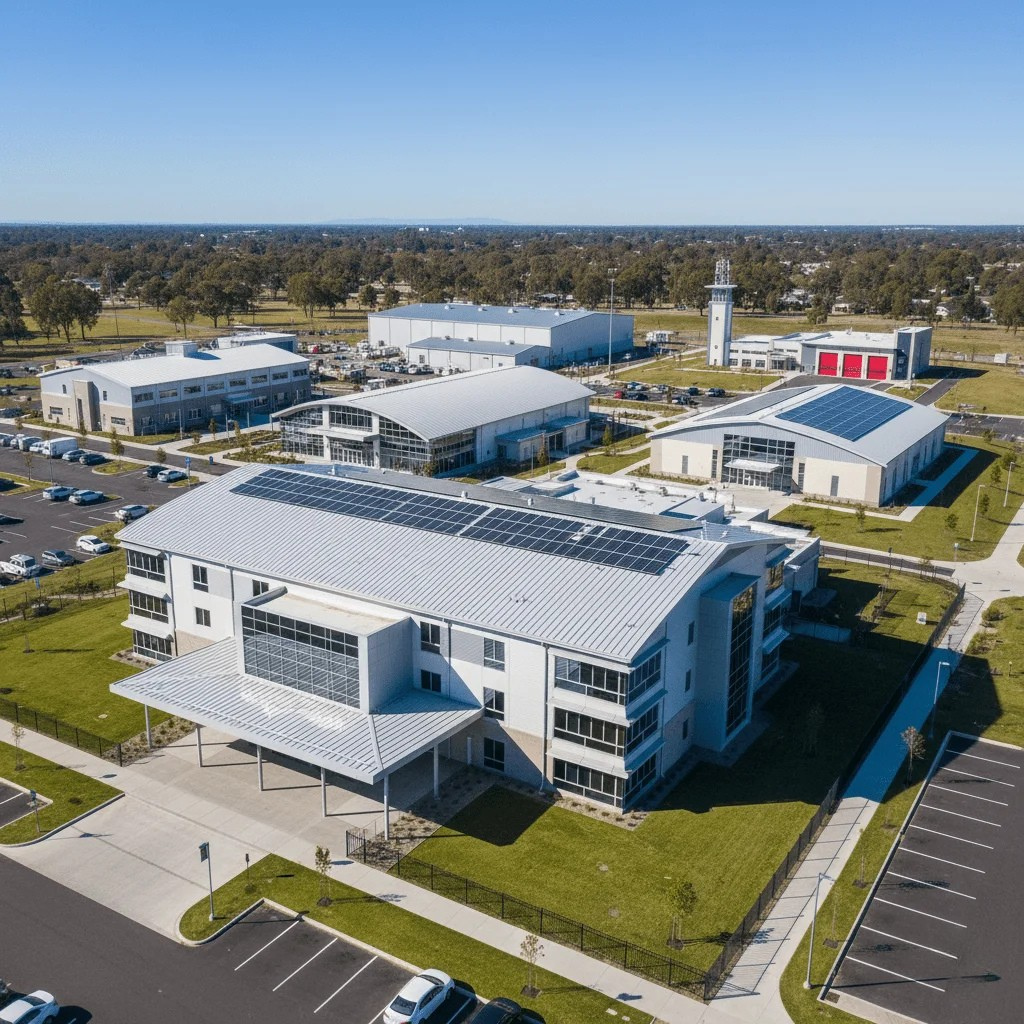
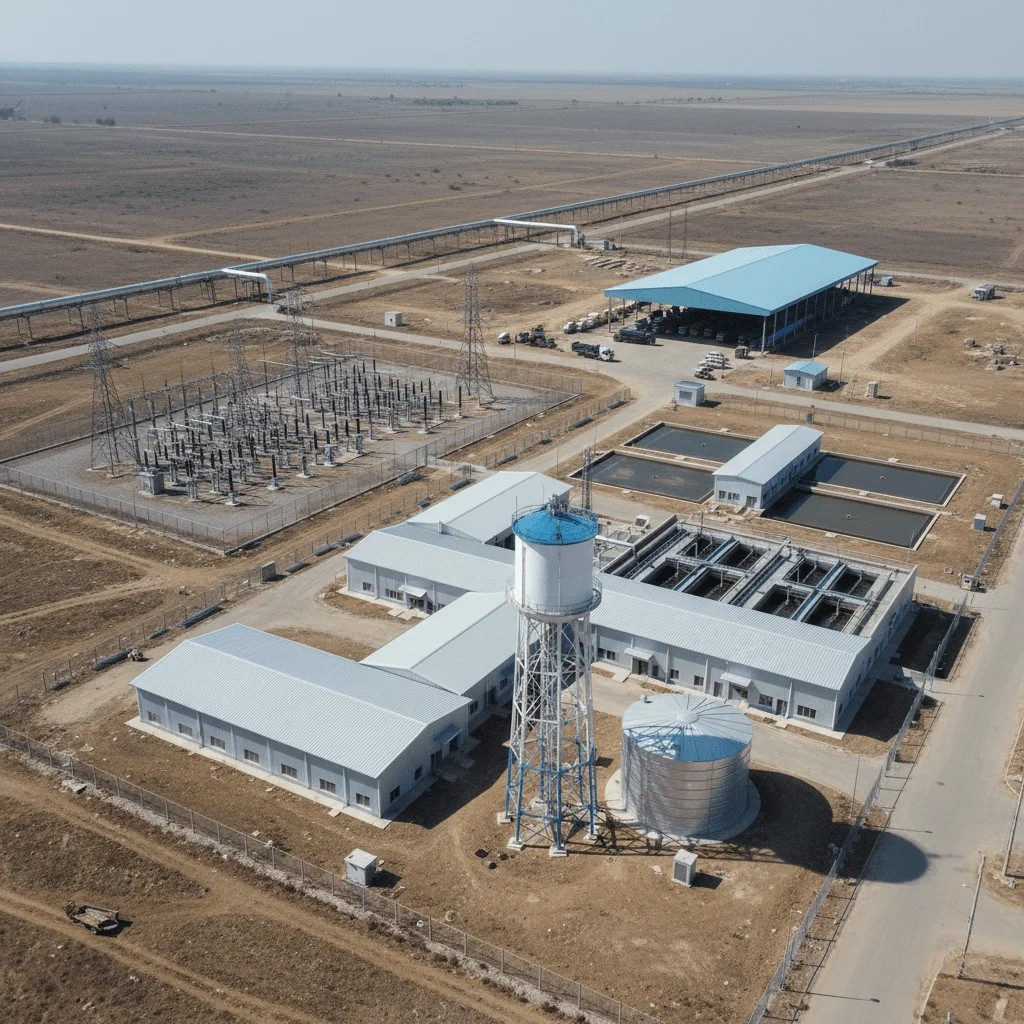
PEBs are widely used for industrial sheds, cold storage units, and distribution centers, while traditional structures remain popular for residential buildings, schools, and architectural landmarks. The comparison of Pre-Engineered Buildings vs. Traditional Structures helps determine the right fit based on project requirements.

- Plot No.100, TIF MSME green Industrial Park, Dandumalkapur, Choutuppal, Yadadri Bhuvanagiri District.
- +91 98480 80349
- +91 93926 51133
Application Areas of Industrial Roofing Sheets
The roofing sheets supplied by BSSM Infra Pvt Ltd serve a wide range of purposes, reinforcing the company’s versatility and market dominance.
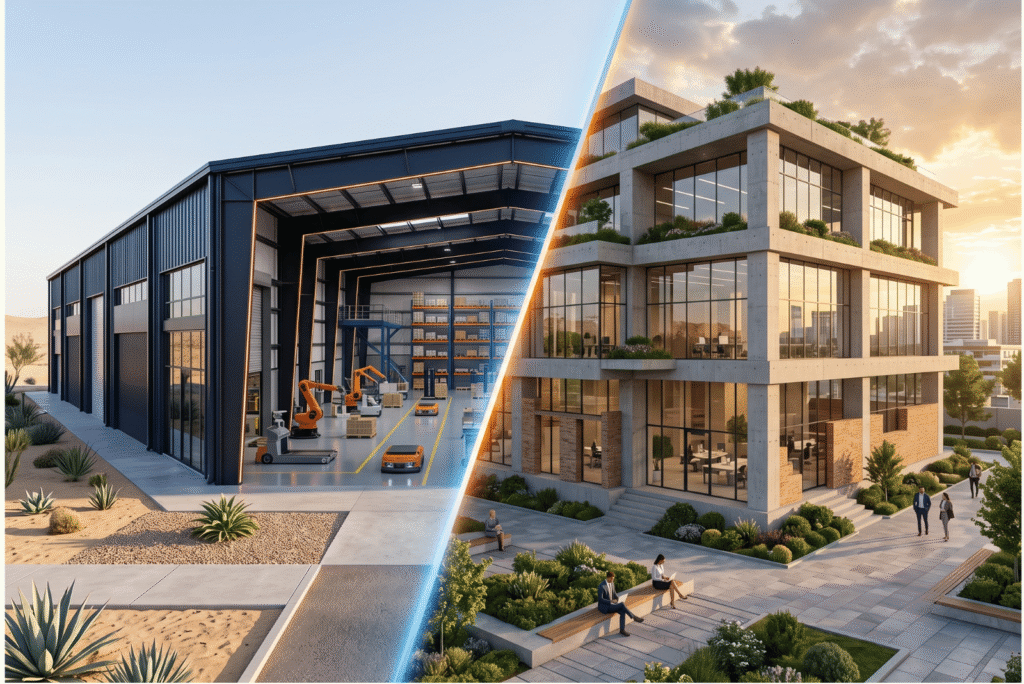
- Construction Speed: Pre-Engineered Buildings (PEB) are completed much faster compared to Traditional Structures due to factory fabrication and quick on-site assembly.
- Cost Efficiency: PEBs generally reduce overall construction cost, while Traditional Structures often require higher labor and material expenses.
- Design Flexibility: Traditional Structures offer more architectural customization, whereas PEBs provide modular but scalable designs.
- Material Usage: PEBs use optimized steel components with minimal wastage, while Traditional Structures involve higher material consumption.
- Durability: Both are durable, but PEBs are engineered using advanced technology for better load resistance and performance consistency.
- Maintenance: Pre-Engineered Buildings require lower maintenance compared to Traditional Structures, which need regular repairs and upkeep.
Conclusion
In summary, Pre-Engineered Buildings vs. Traditional Structures is not about which one is universally better, but about choosing the right construction method for specific needs. While traditional methods offer architectural richness and long-standing reliability, Pre-Engineered Buildings vs. Traditional Structures clearly shows that PEBs excel in speed, cost efficiency, and scalability.
Ultimately, understanding Pre-Engineered Buildings vs. Traditional Structures allows developers, architects, and business owners to make smarter, faster, and more cost-effective construction decisions for the future.