Louvers
Overview
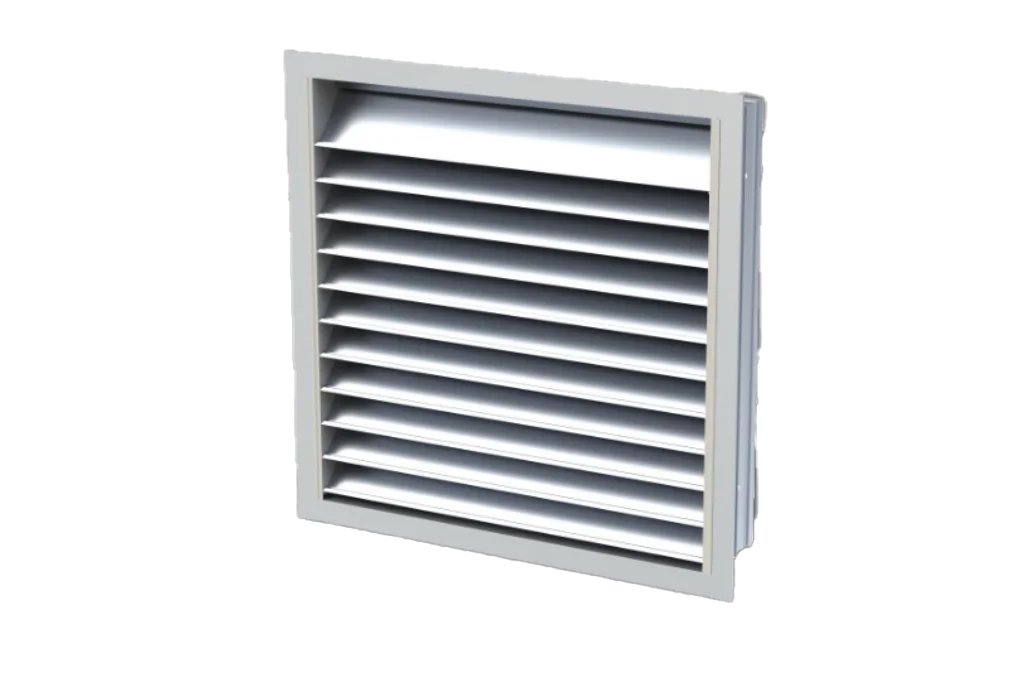
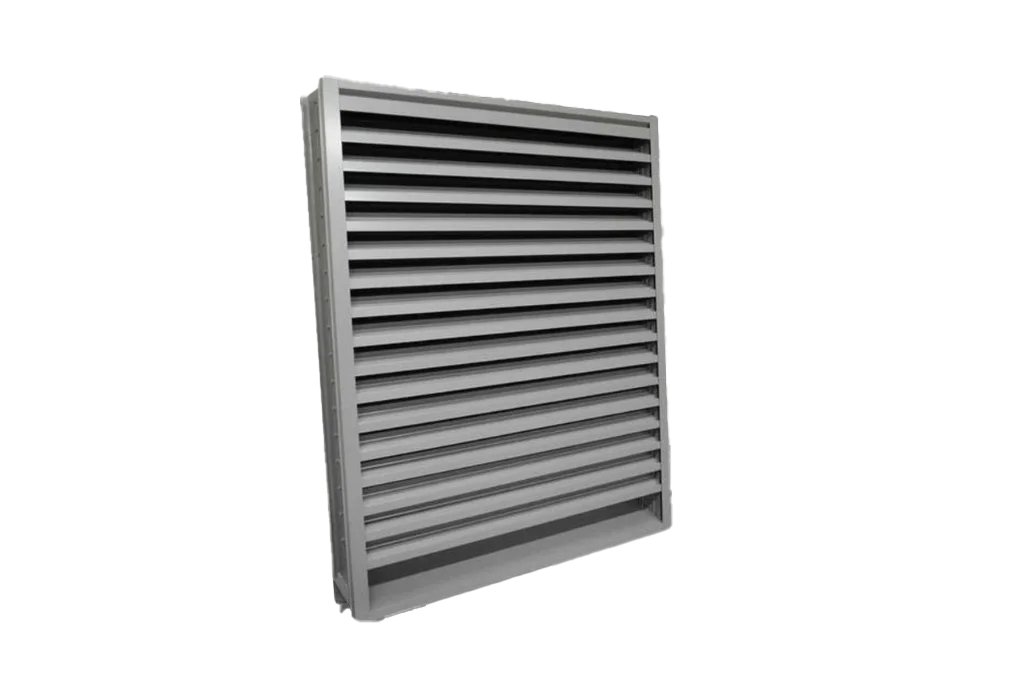
Best Louver Panels for Modern Architecture are essential architectural and industrial components designed to support natural ventilation, air circulation, and protection from rain, dust, and direct sunlight. Best Louver Panels for Modern Architecture allow smooth airflow while restricting unwanted external elements, making them ideal for roofing systems, factory sheds, warehouses, and industrial buildings.
At BSSM Infra, we manufacture and supply Best Louver Panels for Modern Architecture using high-quality aluminium, galvalume, and galvanized steel in various designs and finishes. These Best Louver Panels for Modern Architecture are engineered for durability, efficiency, and aesthetic appeal, ensuring the perfect balance between ventilation, protection, and modern architectural design.
What are Louvers?
Best Louver Panels for Modern Architecture are angled slats or blades, typically made from metal, designed to control airflow and light entry in buildings. Best Louver Panels for Modern Architecture can be fixed or adjustable and are installed on walls, roofs, or facades to ensure continuous natural ventilation while preventing rainwater, dust, and debris from entering.
These Best Louver Panels for Modern Architecture also help reduce heat buildup, improve indoor air quality, and enhance the overall aesthetic appeal of industrial, commercial, and modern architectural structures.
- Plot No.100, TIF MSME green Industrial Park, Dandumalkapur, Choutuppal, Yadadri Bhuvanagiri District.
- +91 98480 80349
- +91 93926 51133
Key Features
- Excellent Ventilation – Allows fresh air inflow and removes hot, stale air naturally.
- Weather Resistant – Prevents rain, dust, and debris from entering.
- Durable Construction – Made from corrosion-resistant materials like aluminium, galvalume, or GI.
- Low Maintenance – Simple design with minimal cleaning needs.
- Customizable Designs – Available in fixed, adjustable, or operable blade types.
- Aesthetic Appeal – Enhances the look of industrial and commercial structures.
- Energy Efficient – Promotes natural airflow, reducing dependence on powered ventilation.
- Easy Installation – Designed for quick fitting on any building structure.
Technical Specification
| Parameter | Galvalume Sheet | Galvanized Sheet |
|---|---|---|
| Coating Mass | 70AZ / 150AZ / 200AZ | 90 GSM / 120 GSM |
| Yield Strength | 550 MPa / 350 MPa | 240 MPa / 350 MPa |
| Sheet Thickness | 0.30 / 0.35 / 0.40 / 0.45 / 0.47 / 0.50 / 0.55 / 0.60 mm | — |
| Colours | Sky Blue / Off White / Mist Green / Brick Red | — |
| Paint Finish | Glossy / Matte | Glossy / Matte |
| Painting Thickness (Top) | 18 – 22 microns | 18 – 22 microns |
| Painting Thickness (Bottom) | 5 – 7 microns | 5 – 7 microns |
| Width | 1.06 m / 1.085 m | — |
| Pitch (crest to crest) | 200 mm / 250 mm | — |
| Maximum Length | Up to 15 meters | Up to 15 meters |
Advantages
- Continuous Airflow: Keeps interiors well-ventilated, reducing heat and humidity.
- Protection: Prevents rainwater, birds, and debris from entering structures.
- Long Life: Corrosion-resistant and UV-stable construction materials.
- Lightweight: Easy to handle and install without heavy structural support.
- Customizable: Available in different shapes, sizes, and finishes.
- Cost-Effective: Low installation and maintenance costs.
- Aesthetic Design: Improves the exterior look of any industrial or commercial building.
Applications
- Industrial Buildings & Factories
- Pre-Engineered Buildings (PEB)
- Warehouses & Storage Facilities
- Commercial Buildings & Shopping Complexes
- Air Handling Units (AHU)
- Power Plants & Utility Areas
- Parking Areas & Machine Rooms
- Residential Facades & Skylight Systems
Types of Louvers
Designed with permanently angled blades for continuous natural ventilation.
Ideal for industrial sheds and warehouses.
Blades can be tilted to control airflow and light entry.
Suitable for buildings requiring variable ventilation.
Engineered to maintain steady air exchange while preventing rain and dust.
Commonly used in HVAC systems and factories.
- Combines functional performance with aesthetic appeal.
- Enhances building facades and external elevations.
Quality Assurance
- Uniform airflow performance
- Accurate blade alignment and angle precision
- Resistance to corrosion, UV, and harsh weather
- Leak-proof installation compatibility
- Perfect fit and finish for long-term performance
We ensure that our louvers meet IS standards and industrial ventilation norms, providing reliable and lasting performance in demanding environments.
BSSM INFRA PVT LTD
Why Choose BSSM Infra Louvers
- Premium Quality Materials: Corrosion-resistant metals ensure long service life.
- Custom Engineering: Designed as per client’s project requirements.
- Aesthetic Integration: Matches color-coated roofing and cladding systems.
- Expert Manufacturing: Fabricated using advanced technology for precision.
- Sustainable Ventilation: Reduces energy consumption through natural airflow.
- Trusted by Industry Leaders: Installed across numerous industrial and commercial projects nationwide.
Frequently Asked Questions
Louvers are ventilation structures designed with angled blades or slats that allow air and light to pass through while preventing rain, dust, and debris from entering.
Louvers are typically made from materials such as galvanized steel, aluminum, or stainless steel, depending on the application and environmental conditions.
Louvers are used in industrial buildings, warehouses, factories, commercial spaces, and even residential structures to provide natural ventilation and aesthetic appeal.
The main purpose of louvers is to improve airflow, control temperature, and prevent moisture buildup while protecting interiors from weather elements.
Yes, high-quality louvers are designed to resist rain, UV rays, and corrosion, making them suitable for both indoor and outdoor use.
Absolutely. Louvers can be customized in size, material, color, blade angle, and mounting type to suit your specific project requirements.
Louvers require minimal maintenance—regular cleaning to remove dust and debris ensures long-lasting performance and appearance.
Yes, louvers enhance natural ventilation and reduce dependency on air-conditioning, leading to improved energy efficiency.
Common types include fixed louvers, adjustable louvers, operable louvers, and rain-resistant louvers—each serving different airflow and protection needs.
The choice depends on airflow needs, environmental exposure, aesthetic preferences, and the building’s architectural design. Consulting a professional can help determine the best option.
Contact Us for Best Louver Panels for Modern Architecture
Best Louver Panels for Modern Architecture are redefining modern commercial construction by offering a perfect balance of ventilation, durability, flexibility, and sustainability. Whether it’s a shopping mall, corporate office, or exhibition center, Best Louver Panels for Modern Architecture provide efficient and cost-effective solutions that meet evolving business and design needs.
With the ability to enhance airflow, control heat, and improve building aesthetics, Best Louver Panels for Modern Architecture combined with advanced façade and roofing systems have become a preferred choice for commercial projects worldwide, ensuring performance, comfort, and modern architectural appeal.